 en
 fr
 de
 ru
 es
 pt
 ko
 tr
 pl
 th



Wechat:17720812054 Whatsapp:+86 17720812054 Email:David@batterymaking.com

David Yuan


18659217588

Wechat:17720812054
Whatsapp:+86 17720812054
Email:David@batterymaking.com
Item NO.:
TMAX-ERTPayment:
L/C,T/T,Western Union, PaypalProduct Origin:
ChinaShipping Port:
XiamenLead Time:
5 daysCertificate:
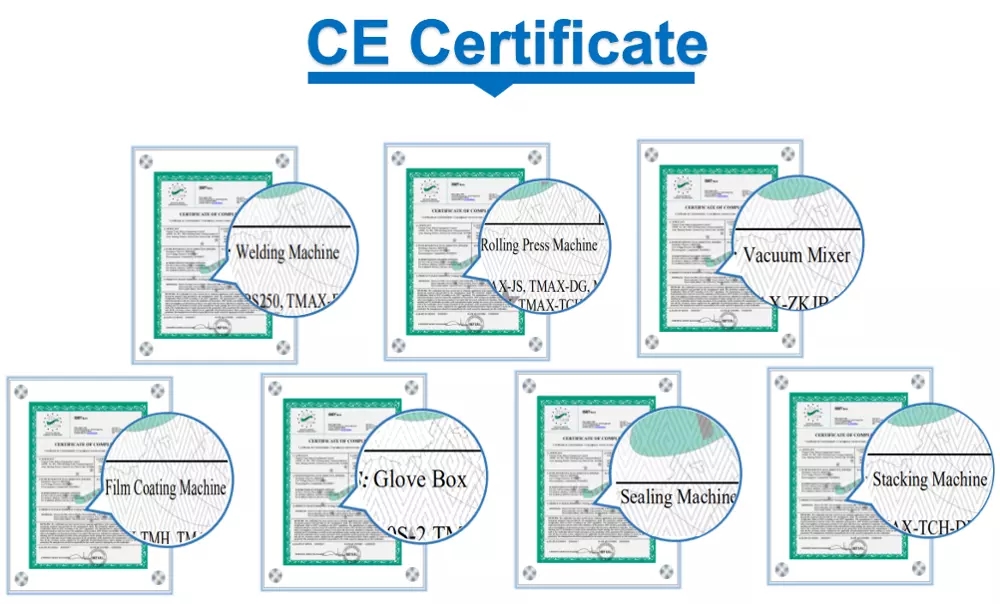
CE ROHS Certificate
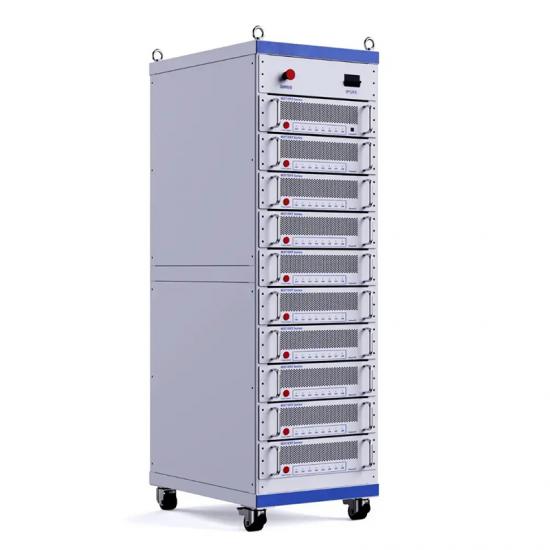
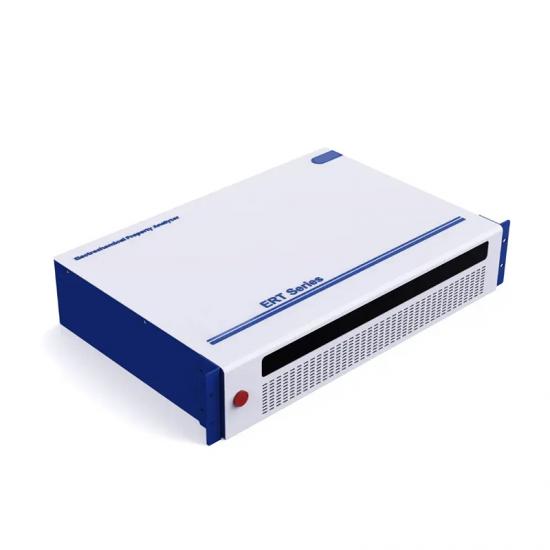
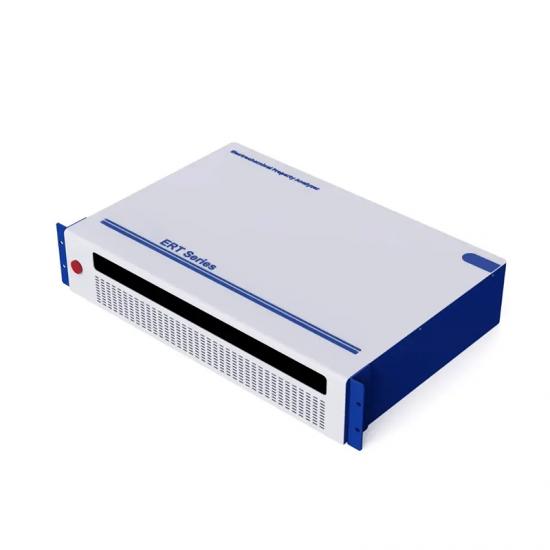
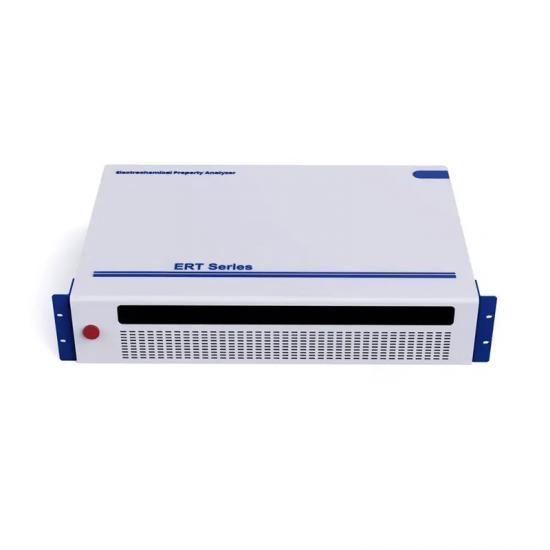
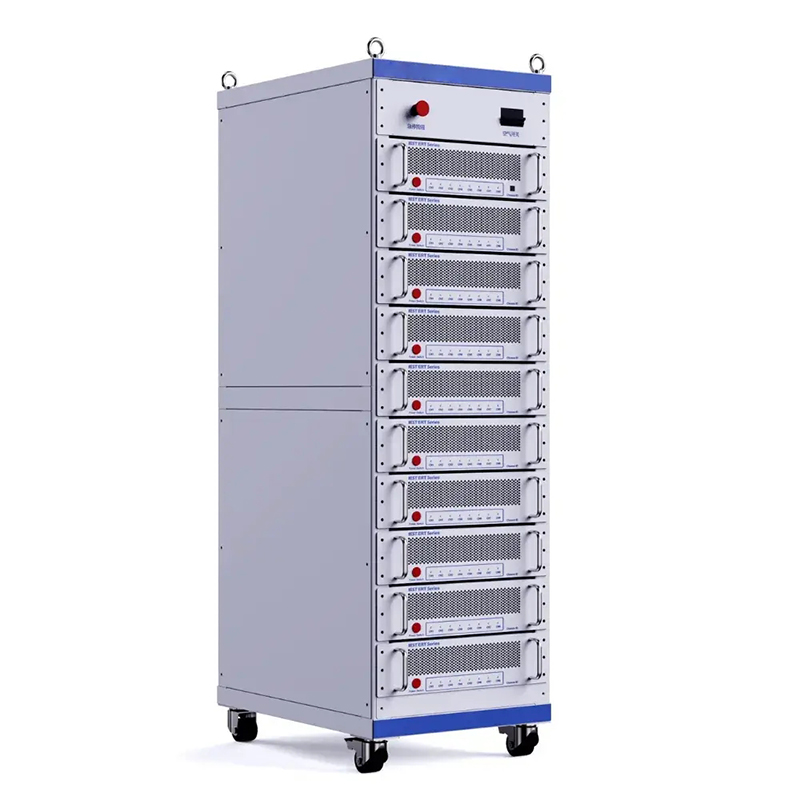
Electrochemical Workstation With EIS Test Potentiostat/Galvanostat Battery Cycler ERT Series
Characteristic
1. Provides accurate benchmark data for lifespan prediction, inventory efficiency, self-discharge, and micro-reaction testing, with voltage and current precision of 0.01%.
2. Supports a wide range of cell types, capacitor materials, half-cell, three-electrode, coin cell, and small-capacity testing.
3. Triple protection (software, hardware, firmware) ensures safe operation for both equipment and samples.
4. Supports electrochemical testing methods such as multi-scan rate cyclic voltammetry(ERT Series available), linear sweep voltammetry(ERT Series available), GITT, PITT, CA, and CP
5. Flexible auxiliary channel integration for temperature control, surface temperature monitoring, three-electrode setups, and pressure detection.
6. Online calibration and independent operation of channels without interference.
7. Private cloud platform and cloud server backup ensure data security and confidentiality.
Application
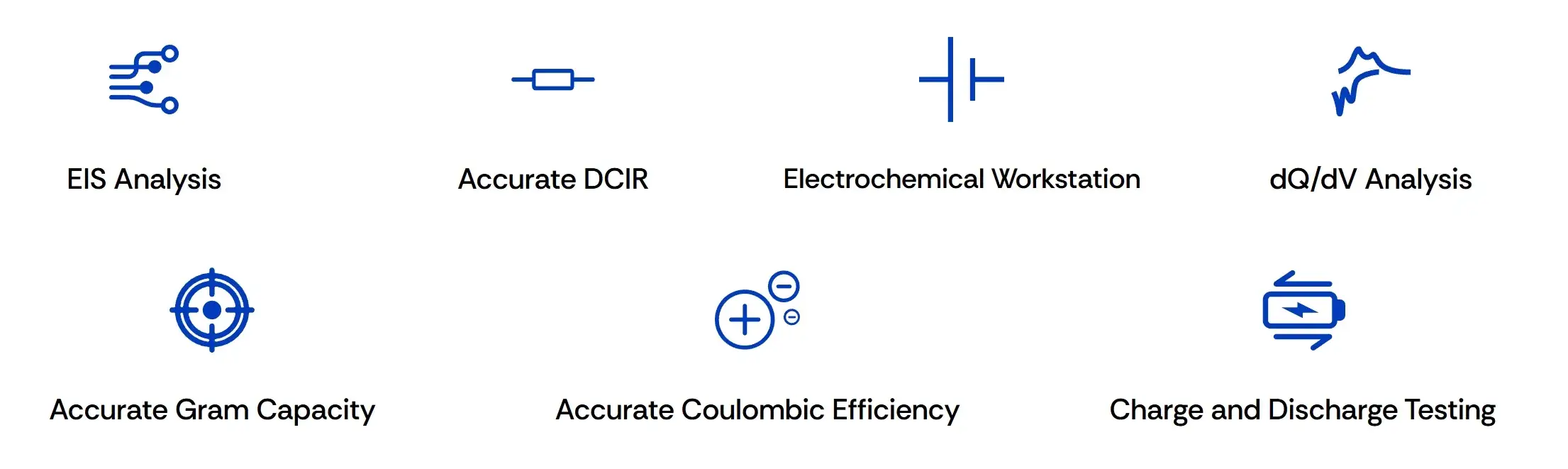
1. dQ/dV Analysis
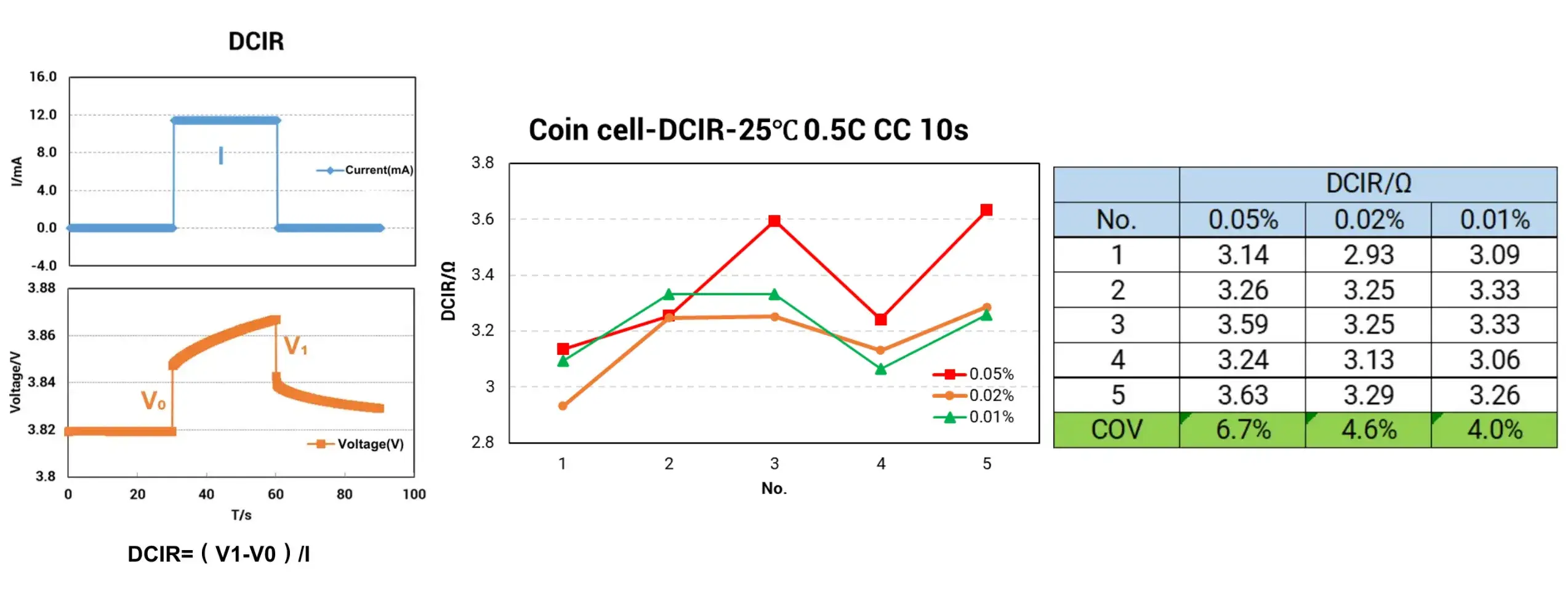
2. Accurate DCIR
3. Electrochemical Workstation
4. Accurate gram capacity
5. Accurate Coulombic Efficiency
6. Charge/Discharge Testing
7. Comparison of impedance of different cells
8. Cell Cycle Impedance Analysis
Description
1. Electrochemical Performance Analyzer ERT Series: Comparison
2. Innovative Solutions of TMAX Battery Cycle Tester
1) Provides accurate benchmark data for lifespan prediction, inventory efficiency, self-discharge, and micro-reaction testing, with voltage and current precision of 0.01%.
2) Supports a wide range of cell types, capacitor materials, half-cell, three-electrode, coin cell, and small-capacity testing.
3) Triple protection (software, hardware, firmware) ensures safe operation for both equipment and samples.
4) Supports EIS testing from 0.01 Hz to 100 kHz.current control.(ERT7008 available)
5) Supports electrochemical testing methods such as multi-scan rate cyclic voltammetry, linear sweep voltammetry, GITT, PITT, CA, and CP.
6) Flexible auxiliary channel integration for temperature control, surface temperature monitoring, three-electrode setups, and pressure detection.
7) Online calibration and independent operation of channels without interference.
8) Private cloud platform and cloud server backup ensure data security and confidentiality.
3. Application Scenario
Application Cases
Case 1: EIS Analysis–Different Cell Impedance Analysis
High-frequency EIS impedance range: 0.01Hz~100kHz, meeting the high-frequency impedance test requirements of 10mΩ~1kΩ level batteries.
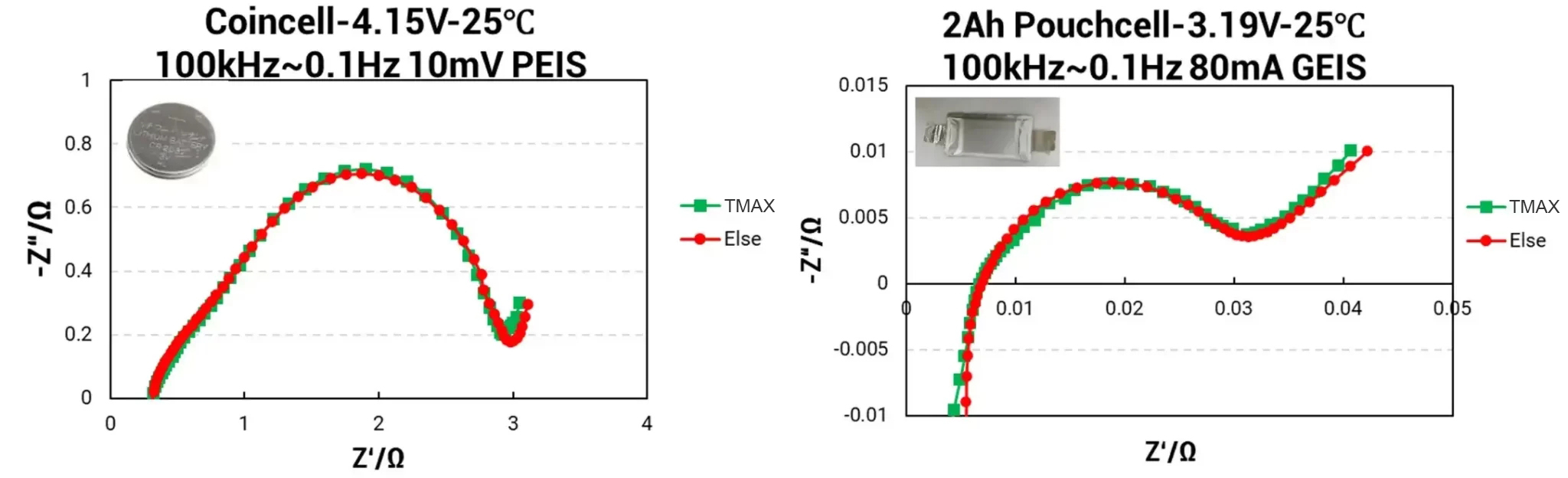 Compared with the EIS test results of well-known foreign electrochemical workstations, the error is within 5%
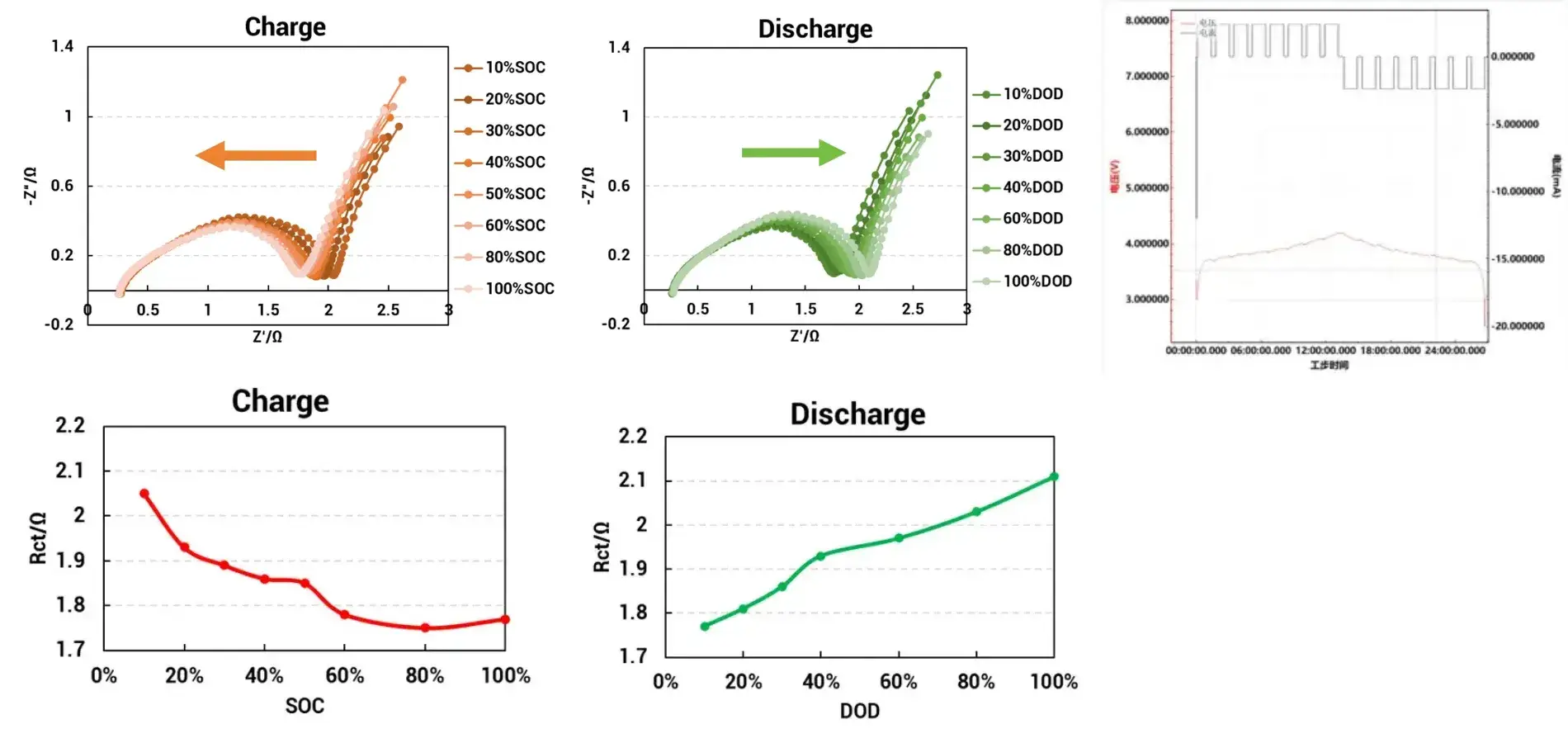
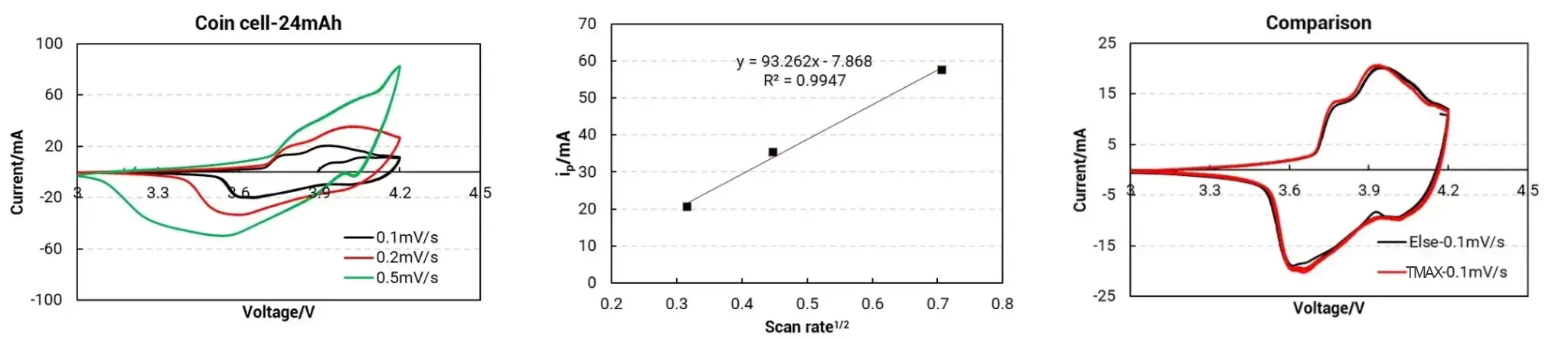
The peak current of the reversible reduction is proportional to the square root of the scan rate.
It is consistent with the CV (Cyclic Voltammetry) curves obtained from the electrochemical workstation.
Case 5: dQ/dV Curves to Evaluate Material Phase Changes
dQ/dV Curve Analysis:
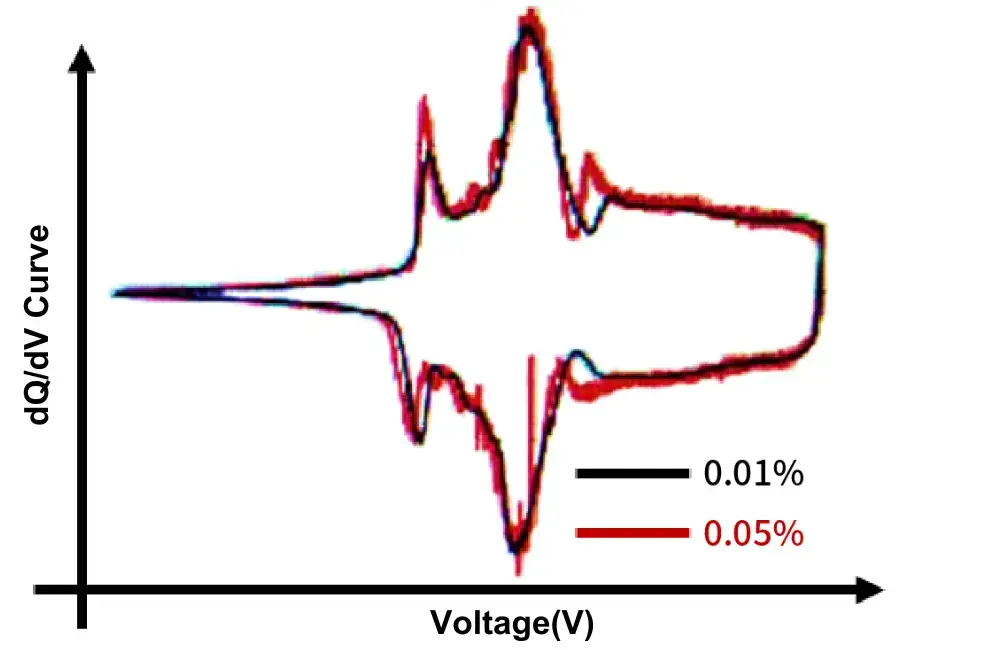
Curve Smoothness:
1) High-precision equipment: dQ/dV curves are smooth and continuous, capable of capturing subtle electrochemical changes.2) Low-precision equipment: Curves exhibit noise or discontinuities, with difficulty in accurately identifying detailed features.
Electrochemical reaction characteristics:
1) High-precision equipment: Clearly reveals characteristic peaks of multi-stage reactions in the battery, uncovering material phase transitions or side reactions.3) In dQ/dV curve analysis, high-precision equipment is crucial for studying electrochemical details, improving data reliability, and identifying material characteristics. Low-precision equipment can perform basic testing but may miss critical details, especially in high-demand research scenarios.
Case 6: Charge and discharge Evaluation of Materials Gravimetric Capacity
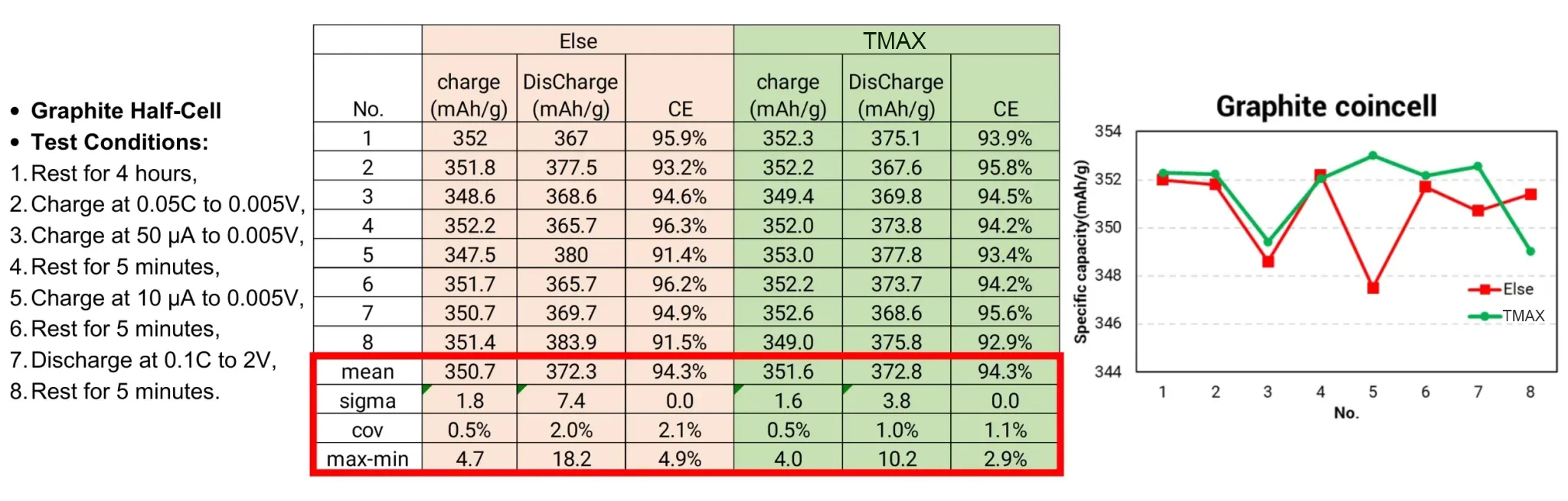
Gravimetric capacity tests were conducted on eight graphite half-cells, demonstrating better consistency in specific capacity!
Case 7: Evaluation of Coulombic Efficiency in Cells via Charge and Discharge Testing
Coulombic Efficiency Testing:
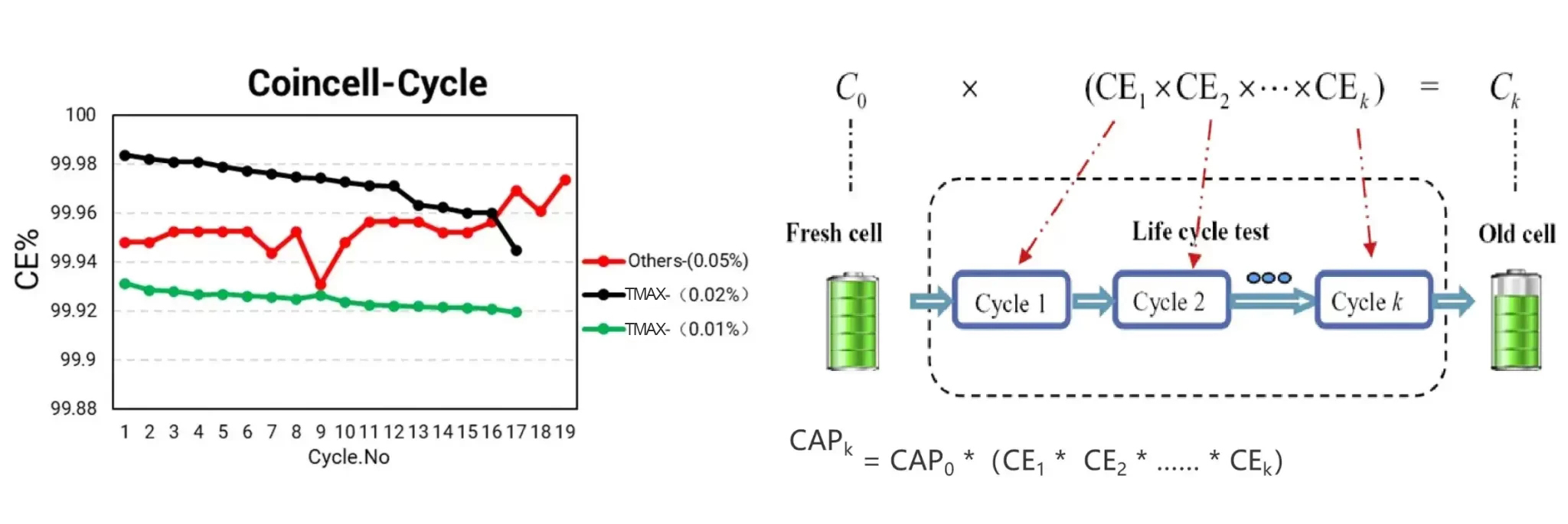
A lifetime prediction model based on coulombic efficiency can forecast battery capacity degradation. For effective lifetime prediction, the accuracy must be maintained at least at 1‱, with noise interference kept below 10 ppm.
Case 8: Evaluation of Cells Self-Discharge Under Constant Voltage Charging
High precision supports leakage current testing of large capacity and low internal resistance cells
Coin Cell Leakage Current Test:
Electrodes: NCM (ф14 mm) vs. Lithium (ф20 mm)Test Procedure: Constant Current/Constant Voltage (CC/CV) Charging: 0.8 mA, 3.8 V, for 72 hours
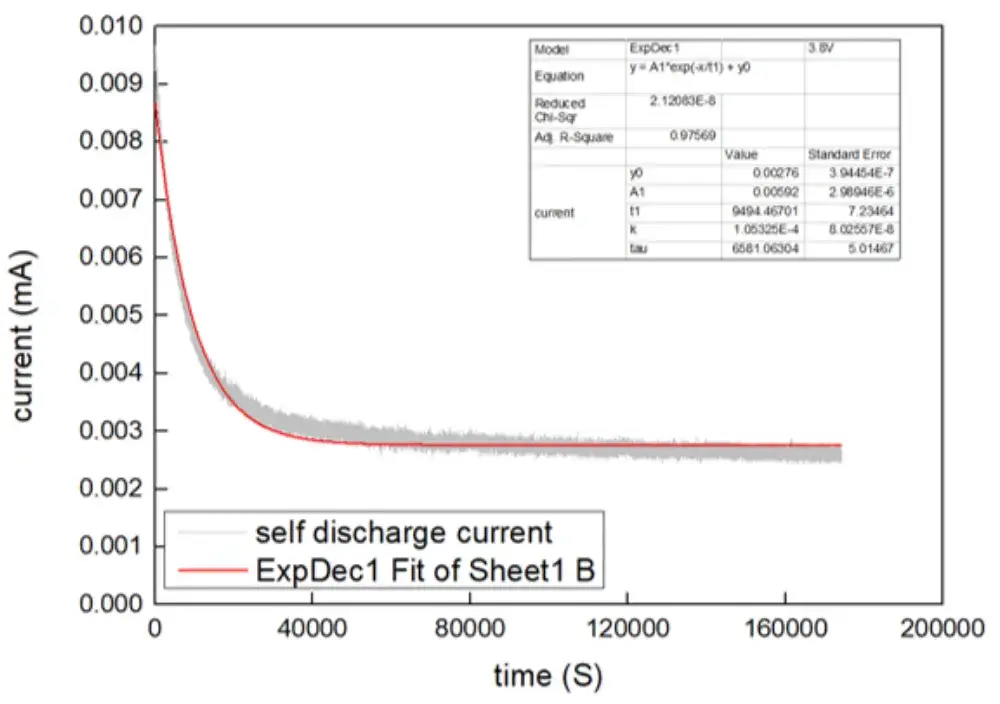
TMAX High-Precision Electrochemical Property Analyzer is capable of monitoring currents as low as the nanoampere (nA) level, supporting the measurement of minute leakage currents.
Specifications








Wechat:17720812054 Whatsapp:+86 17720812054 Email:David@batterymaking.com

Wechat:17720812054 Whatsapp:+86 17720812054 Email:David@batterymaking.com

Wechat:17720812054 Whatsapp:+86 17720812054 Email:David@batterymaking.com

Wechat:17720812054 Whatsapp:+86 17720812054 Email:David@batterymaking.com

Wechat:17720812054 Whatsapp:+86 17720812054 Email:David@batterymaking.com

Wechat:17720812054 Whatsapp:+86 17720812054 Email:David@batterymaking.com

Wechat:17720812054 Whatsapp:+86 17720812054 Email:David@batterymaking.com

Wechat:17720812054 Whatsapp:+86 17720812054 Email:David@batterymaking.com

Please read on, stay posted, subscribe, and we welcome you to tell us what you think.


 IPv6 network supported


